
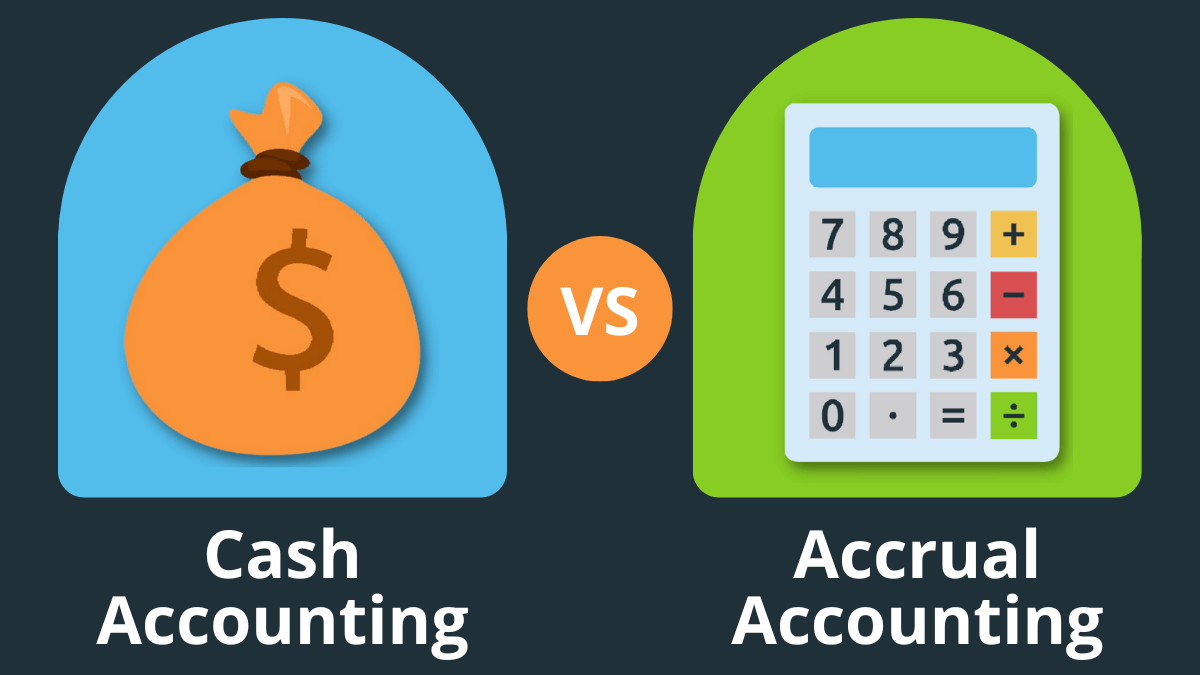
Switching from cash to accrual accounting is a crucial step for many businesses aiming for more accurate financial reporting. While the transition may seem daunting, this guide will help you navigate the process smoothly.
Understanding the Basics
Cash Accounting vs. Accrual Accounting:
- Cash Accounting: Revenue and expenses are recorded only when cash is exchanged.
- Accrual Accounting: Revenue and expenses are recorded when they are earned or incurred, regardless of cash flow.
This fundamental difference can significantly impact your financial statements, making accrual accounting beneficial for long-term financial planning.
Step-by-Step Transition Guide
1. Evaluate Your Needs
Identify why you want to switch. Common motivations include:
- Enhanced financial insights
- Compliance with accounting standards
- Better cash flow management
2. Review Your Current Financials
Start with a thorough review of your existing financial statements. Gather:
- Income statements
- Balance sheets
- Cash flow statements
This assessment will help you understand your financial position before the switch.
3. Create a Transition Plan
Develop a detailed plan that includes:
- Timeline for the transition
- Responsibilities of team members
- Necessary adjustments to accounting practices
4. Update Your Accounting Software
Ensure your accounting software supports accrual accounting. If not, consider upgrading. Most modern systems can facilitate this transition with minimal hassle.
5. Make Adjusting Entries
Prepare for adjusting entries that reflect the new accounting method, such as:
- Accounts Receivable: Record sales made on credit.
- Accounts Payable: Account for expenses incurred but not yet paid.
- Inventory Adjustments: Update inventory records for goods sold.
6. Establish New Policies
Update your accounting policies to align with accrual principles. Key areas to focus on include:
- Revenue recognition criteria
- Expense tracking methods
- Staff training and resources
7. Monitor Your Progress
After implementing accrual accounting, closely monitor your financials for accuracy. Regular reviews will help ensure everything aligns with your new accounting method.
8. Seek Professional Guidance
Consider consulting with an accountant or financial advisor. Their expertise can help you navigate complex aspects of the transition and ensure compliance with regulations.
9. Communicate with Stakeholders
Keep your stakeholders informed about the transition. Transparency will help manage expectations and build trust with investors, creditors, and employees.
Add a Comment