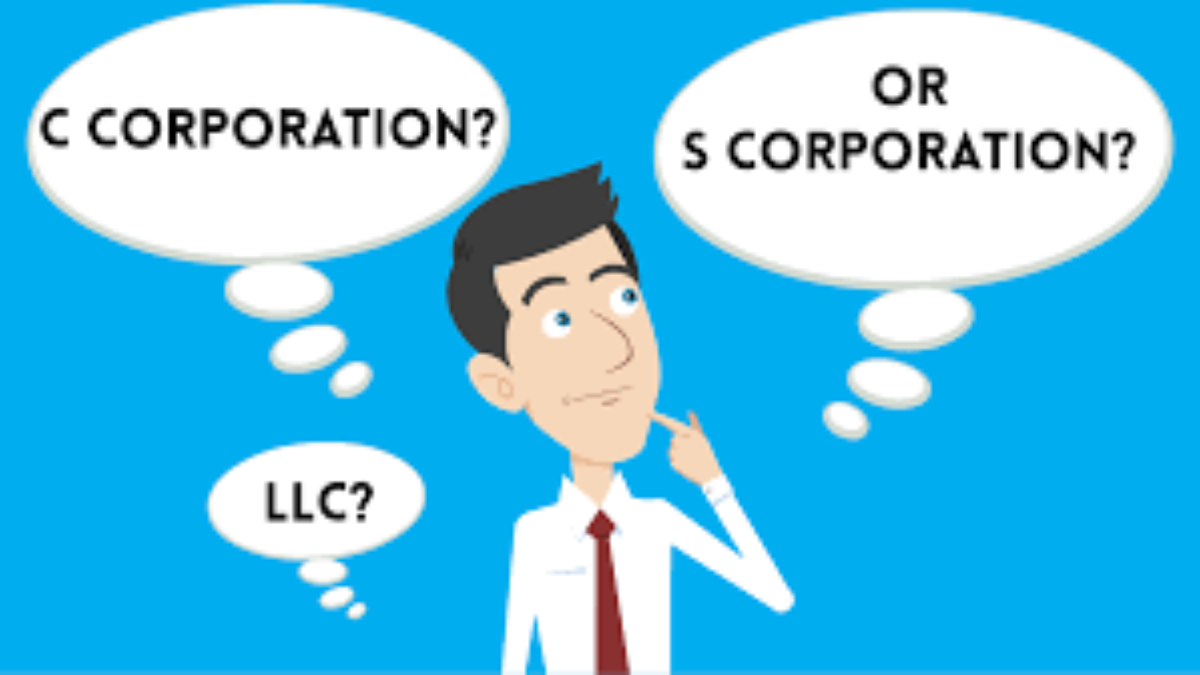
Choosing the right business structure is a critical decision that can impact your liability, taxation, and overall operational flexibility. The three common structures—Limited Liability Company (LLC), S Corporation (S Corp), and C Corporation (C Corp)—each offer distinct advantages and disadvantages. Here’s a breakdown to help you determine which might be best for your business.
1. Limited Liability Company (LLC)
Overview: An LLC combines the flexibility of a partnership with the liability protection of a corporation.
Advantages:
- Limited Liability Protection: Owners (members) are generally not personally liable for business debts.
- Tax Flexibility: Income can be passed through to members, avoiding double taxation. Members can choose how they want to be taxed (as a sole proprietor, partnership, or corporation).
- Fewer Formalities: LLCs have fewer regulatory requirements and ongoing formalities than corporations.
- Flexible Management Structure: Members can manage the business directly or appoint managers.
Disadvantages:
- Self-Employment Taxes: Members may be subject to self-employment taxes on all earnings.
- Varied State Laws: Regulations and fees for LLCs can vary significantly by state.
2. S Corporation (S Corp)
Overview: An S Corp is a special designation that allows profits to pass through to shareholders, avoiding double taxation.
Advantages:
- Pass-Through Taxation: Income is taxed only at the shareholder level, not at the corporate level, avoiding double taxation.
- Limited Liability Protection: Like LLCs, shareholders are generally protected from personal liability.
- Potential Tax Savings on Self-Employment Taxes: Only salaries (not distributions) are subject to self-employment taxes.
Disadvantages:
- Eligibility Restrictions: S Corps have limitations on the number and type of shareholders (must be U.S. citizens or residents and cannot exceed 100 shareholders).
- More Formalities: S Corps require more administrative tasks, including regular meetings, minutes, and detailed records.
- Salary Requirements: Owners who work for the S Corp must pay themselves a reasonable salary, which is subject to payroll taxes.
3. C Corporation (C Corp)
Overview: A C Corp is a separate legal entity that provides the strongest protection against personal liability but is subject to double taxation.
Advantages:
- Limited Liability Protection: Shareholders are typically not personally liable for the corporation’s debts.
- Unlimited Growth Potential: C Corps can issue multiple classes of stock and have unlimited shareholders, making it easier to raise capital.
- Perpetual Existence: C Corps continue to exist independently of owners, providing stability and continuity.
Disadvantages:
- Double Taxation: C Corps pay corporate taxes on profits, and shareholders also pay taxes on dividends received.
- More Regulations and Formalities: C Corps must adhere to strict operational processes, including regular board meetings and detailed record-keeping.
- Costly Setup and Maintenance: Incorporating can involve higher initial costs and ongoing expenses related to compliance.
Add a Comment