Creating an inclusive workplace not only benefits employees with disabilities but can also bring substantial tax advantages to your business. The IRS offers several tax incentives to encourage businesses to make their facilities, products, and services more accessible to individuals with disabilities. These tax benefits can reduce the financial impact of accommodations while fostering a more accessible and diverse workplace. Here’s what you need to know about the tax credits and deductions available to support accessibility initiatives in your business.
1. Disabled Access Credit
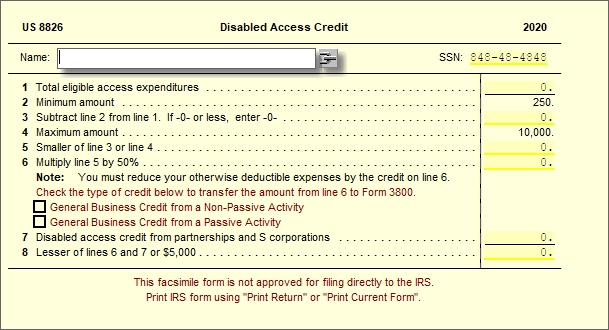
The Disabled Access Credit is designed to help small businesses offset the costs of making their operations more accessible. Here’s how it works:
- Who Qualifies? Small businesses with gross receipts of $1 million or less or with no more than 30 full-time employees may be eligible for this credit.
- How Much Is the Credit? The Disabled Access Credit covers 50% of eligible expenditures between $250 and $10,250, allowing a maximum credit of $5,000 annually.
- Eligible Expenses: This credit can cover various expenses, such as installing ramps, modifying restrooms, purchasing accessible communication devices, or providing accessible formats for printed materials.
This credit is an excellent option for small businesses aiming to improve access and accommodate both employees and customers with disabilities.
2. Architectural and Transportation Barrier Removal Deduction
Businesses of all sizes can claim the Architectural and Transportation Barrier Removal Deduction, which encourages removing physical barriers to accessibility.
- Who Qualifies? Unlike the Disabled Access Credit, there are no restrictions based on the business’s size, meaning all businesses can qualify for this deduction.
- Deduction Amount: This tax deduction allows up to $15,000 annually for the costs of removing architectural and transportation barriers. This may include modifying entrances, parking spaces, walkways, ramps, restrooms, and other facilities to accommodate people with disabilities.
- Eligible Expenses: Examples of eligible expenses include installing ramps, widening doorways, modifying bathrooms, and adding accessible parking spaces.
This deduction can be combined with the Disabled Access Credit, allowing businesses to maximize tax savings while making their premises more accessible.
3. Work Opportunity Tax Credit (WOTC)
The Work Opportunity Tax Credit (WOTC) encourages employers to hire individuals from certain targeted groups, including people with disabilities.
- Who Qualifies? Employers who hire individuals from targeted groups, such as veterans with service-connected disabilities and people with significant barriers to employment, may qualify.
- How Much Is the Credit? The WOTC can provide a tax credit of up to $2,400 for each eligible new employee, and in some cases, up to $9,600 depending on the employee’s circumstances.
- Eligible Employees: People with disabilities who qualify may include those referred by state vocational rehabilitation services, Supplemental Security Income (SSI) recipients, and veterans with disabilities.
Steps to Take Advantage of Tax Benefits
- Consult with a Tax Professional: Each tax benefit has its own eligibility criteria and documentation requirements. Working with a tax professional, like SUNPRAA Tax & Accounting, can ensure that you meet these requirements and maximize your tax savings.
- Document Accessibility Expenditures: Keep records of all expenses related to accessibility improvements, such as invoices and receipts. Good documentation is essential to support your claim in case of an IRS audit.
- Understand Which Benefits to Claim: Depending on your business’s size and the nature of the accessibility improvements, you may be able to combine the Disabled Access Credit, Barrier Removal Deduction, and WOTC to maximize tax advantages.
- Plan Ahead for Compliance and Upgrades: Accessibility improvements can be planned and budgeted to align with your business’s financial year. Not only will this keep your facility ADA-compliant, but it will also help you take full advantage of available tax incentives.
Why Accessibility Is Good for Business
Beyond tax benefits, creating a more accessible workplace is good business. It fosters a welcoming environment for employees and customers alike, increasing your reach and supporting brand loyalty. By embracing inclusivity, your business can stand out as a socially responsible entity, benefiting from enhanced customer trust and employee satisfaction.
These tax incentives make it easier for businesses to prioritize inclusivity without bearing the full cost of accessibility improvements. At SUNPRAA Tax & Accounting, we help you understand and claim these tax benefits, ensuring your business complies with regulations and maximizes savings.
Reach out to us today to learn more about how these accessibility tax benefits can support your business growth and foster a more inclusive workplace.
Add a Comment